Articles
BPC-157 vs PPIs: Healing vs Suppressing Acid
PPIs reduce gastric acid production by inhibiting the proton pump in parietal cells. Long-term use is associated with changes in gut microbiome composition and increased risks of infections and nutrient deficiencies (human data from
ARA-290 vs Gabapentin: Nerve Repair vs Symptom Masking
The body breaks tissue down and builds it back at the same time. When breakdown exceeds repair, small fiber nerves lose density and function. Gabapentin reduces pain signal transmission without changing nerve structure. ARA-290 is studied
PT-141: Brain-Level Arousal
PT-141 (bremelanotide) is a synthetic melanocortin receptor agonist that activates central nervous system pathways for sexual arousal signaling. humanmechanistic In two identical phase 3 randomized double-blind placebo-controlled trials
BPC-157 for Long-Term PPI Users: Evidence Review
The body breaks down tissue and builds it back at the same time. Long-term PPI use lowers stomach acid to stop damage. If repair does not keep up with the ongoing stress, the lining stays thin or inflamed. BPC-157 is studied for local
BPC-157 and Corticosteroid Injection-Related Tissue Changes: Evidence Mapping
Corticosteroid injections suppress inflammation signals. They do not repair tissue. Some reports link them to tendon rupture and faster joint wear. BPC-157 is studied for a repair path: new blood vessel growth at the injury site. More
Semax: Upregulating BDNF for Neuroprotection and Cognitive Recovery
BDNF production declines with age, stress, and neurotoxic exposure (mechanistic; no human data on Semax reversing this specifically). Semax is described as upregulating BDNF for potential neuroprotection and cognitive effects. In rat basal
Recovery Stack for Sciatica
The body breaks down tissue and builds it back at the same time. Sciatica lasts when breakdown outruns repair around the nerve. Most drugs mute the pain signal. BPC-157 is studied for a repair path: new blood vessels at the injury site
Semax for Statin-Associated Cognitive Effects
Post-marketing surveillance has documented rare reports of cognitive impairment including memory loss, forgetfulness, amnesia, confusion associated with statin use across all statins (mechanistic). These reports are generally described as
BPC-157 and GLP-1 Agonist-Associated Gut Effects: Evidence Review
BPC-157 is a 15-amino-acid fragment taken from a protein found in human gastric juice. GLP-1 receptor agonists such as semaglutide are drugs that mimic the gut hormone GLP-1. One well-documented effect of these drugs in humans is slowed
TB-500 and GLP-1 Agonist-Associated Lean Mass Changes: Evidence Mapping
The body breaks down tissue and rebuilds it at the same time. When breakdown exceeds rebuild, lean mass drops. GLP-1 agonists reduce appetite and body weight. Reports show some of that weight comes from lean mass. TB-500 is studied for
ARA-290 for Herniated Discs: Evidence-Graded Overview of Nerve Repair Data
Nerves degenerate when compressed or injured. A herniated disc can press on nerve roots and cause ongoing damage. Repair requires new nerve fiber growth and reduced inflammation around the injury site. ARA-290 is studied for pathways that
ARA-290 for Sciatica: Evidence-Graded Review
Nerves can break down after injury or compression. Sciatica often involves nerve root or sciatic trunk damage. Repair requires regrowth of small fibers and reduced local inflammation. ARA-290 is studied for those repair steps rather than
ARA-290 for Diabetic Neuropathy: Human Trial Data
Nerves can break down faster than they rebuild. In diabetic neuropathy, small fibers lose function. Signals for pain and numbness stay active because the tissue itself is not repaired. ARA-290 is studied for whether it can support regrowth
BPC-157 and ARA-290 for Herniated Discs: Evidence Review
The body breaks tissue down and builds tissue back at the same time. A herniated disc stays painful when breakdown outruns repair. Most standard drugs reduce pain signals without restoring disc or nerve tissue. BPC-157 and ARA-290 are
ARA-290 for Carpal Tunnel: Human Trial Data on Nerve Symptoms and Fiber Density
Nerves can break down after compression or injury. Carpal tunnel involves pressure on the median nerve. If breakdown outruns repair, symptoms persist. ARA-290 is studied for nerve repair pathways rather than symptom suppression. ARA-290 is
Aging Stack for Joint Degeneration
The body breaks down tissue and builds it back at the same time. Joint degeneration happens when breakdown runs ahead of repair. Most drugs used for joint pain block the pain signal or lower inflammation without rebuilding the cartilage,
Aging Repair Stack: BPC-157 + TB-500 + GHK-Cu
The body breaks down tissue and builds it back at the same time. When breakdown runs ahead of repair, problems stay. Most drugs reduce pain or swelling signals but leave the damaged tissue. The stack of BPC-157, TB-500, and GHK-Cu is
Adderall Long-Term Side Effects: Neurotoxicity, Anxiety, Gut Damage
The body breaks down tissue and builds it back at the same time. When breakdown runs ahead of repair, problems stay. Adderall is studied for effects that may raise dopamine signals while also raising questions about long-term dopamine cell
Selank for Adderall-Induced Jitteriness and Anxiety
Anxiety and jitteriness after stimulant use can reflect ongoing tissue stress in the nervous system. The body runs breakdown and repair at the same time. When breakdown from repeated stimulant load exceeds repair, the anxiety signal stays
Semax + Selank for Adderall Users: Evidence-Graded Data Review
Semax is studied for neural support through BDNF pathways. These pathways connect to building or protecting nerve connections. Adderall use can involve dopamine signaling changes and possible tissue stress. The topic sits in the
Semax and BDNF Upregulation: Preclinical and Limited Human Data
The body breaks down tissue and builds it back at the same time. When breakdown outruns repair, problems persist. Most stimulant drugs act by forcing dopamine release. This can change dopamine neuron function over time. Semax is studied
Recovery Stack for Herniated Discs
A herniated disc happens when the outer ring of a spinal disc tears and the inner material presses on nerves. This is a case of degeneration outrunning local repair. Standard treatments often focus on reducing pain signals or removing
Cognitive Decline, Sleep, and Anxiety: The Interconnected Cycle
Observational human data indicate bidirectional relationships among poor sleep, elevated anxiety, and cognitive decline. Insomnia is associated with substantially higher rates of anxiety and depression. Sleep deprivation in short-term
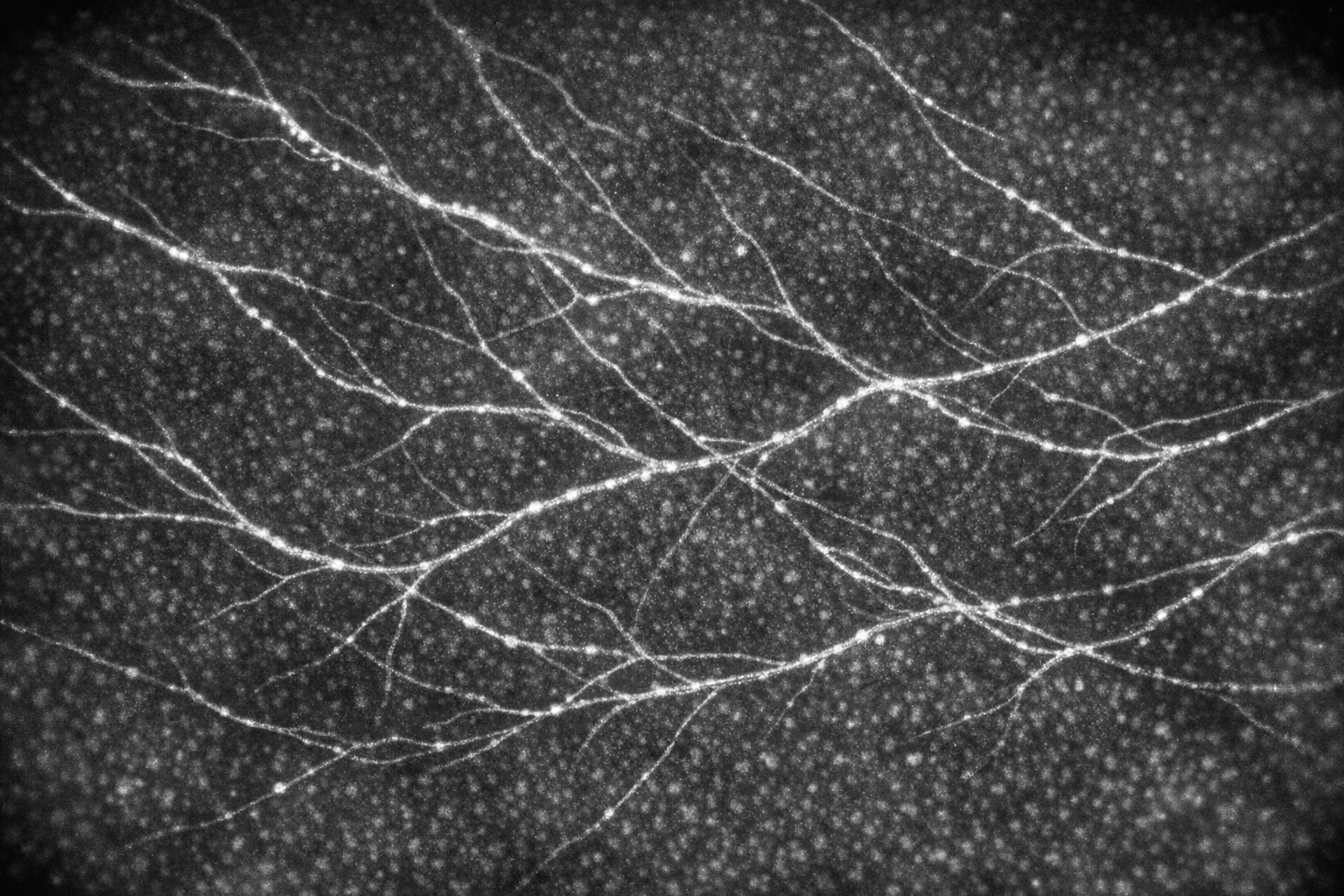
ARA-290 (cibinetide): a fragment of erythropoietin that acts on nerves, not on blood
The definitive ARA-290 (cibinetide) reference: the innate-repair-receptor mechanism, randomized human evidence of actual nerve regeneration, the 4mg/day dosing and half-life paradox, the non-erythropoietic safety proof, why there's no real supply, and the disc nerve-pain fit.

BPC-157: Body Protection Compound
The definitive BPC-157 reference: the angiogenesis+FAK mechanism, the full animal record, the three human studies, real dosing/routes/reconstitution, the 2026 FDA PCAC fight, the cancer question answered, grey-market sourcing reality, and where it fits for a spinal disc. 130 sources.

DSIP (Delta Sleep-Inducing Peptide): the replication record and dosing
If you are awake at three in the morning and somebody has pointed you at a peptide named after deep sleep, one fact decides most of it. Every strongly positive human sleep result for DSIP came out of the laboratory that discovered the
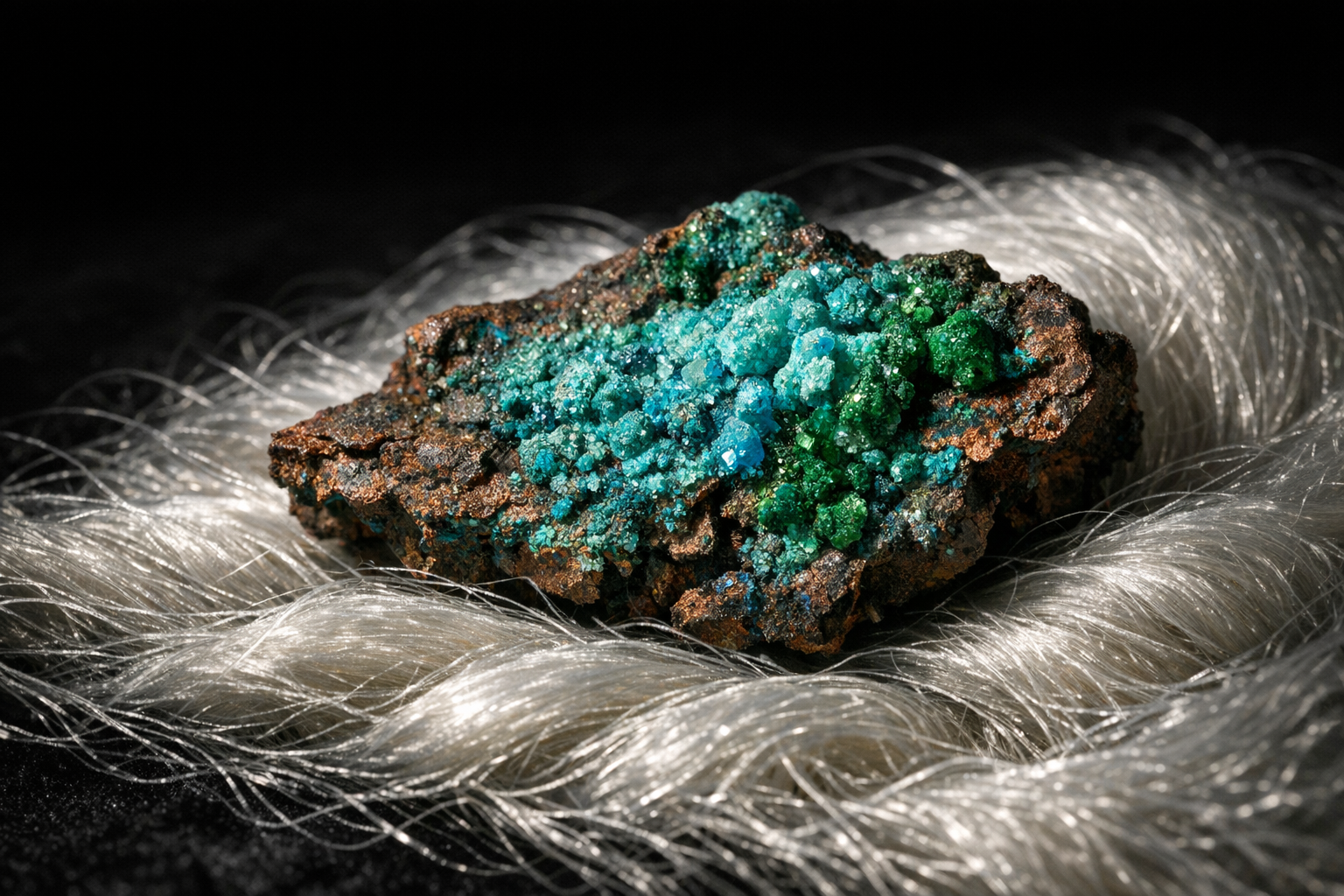
GHK-Cu: the copper tripeptide's human evidence, copper risk, and dosing arithmetic
GHK-Cu is a chain of three amino acids — glycine, histidine and lysine — holding a single copper(II) ion. It occurs naturally in human blood plasma, where its apparent job is to carry copper to the cells that need it and to signal that
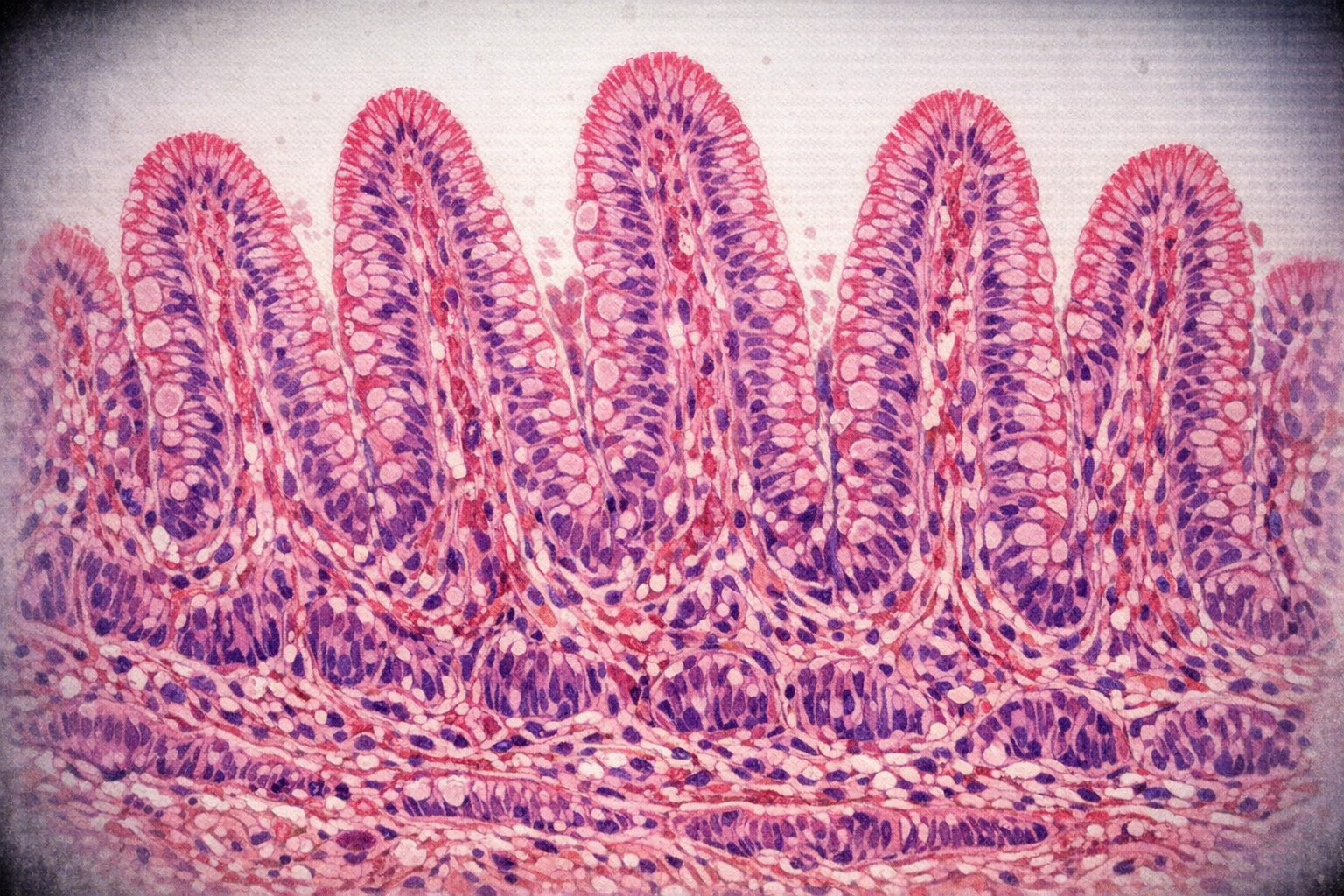
KPV: Evidence, Stability, Dosing and the FDA Record
KPV is three amino acids in a row — lysine, proline, valine. It is the tail end of a hormone your own body makes, alpha-MSH, which calms inflammation, darkens skin, and pushes on the heart and blood vessels. Cut the tail off and you keep
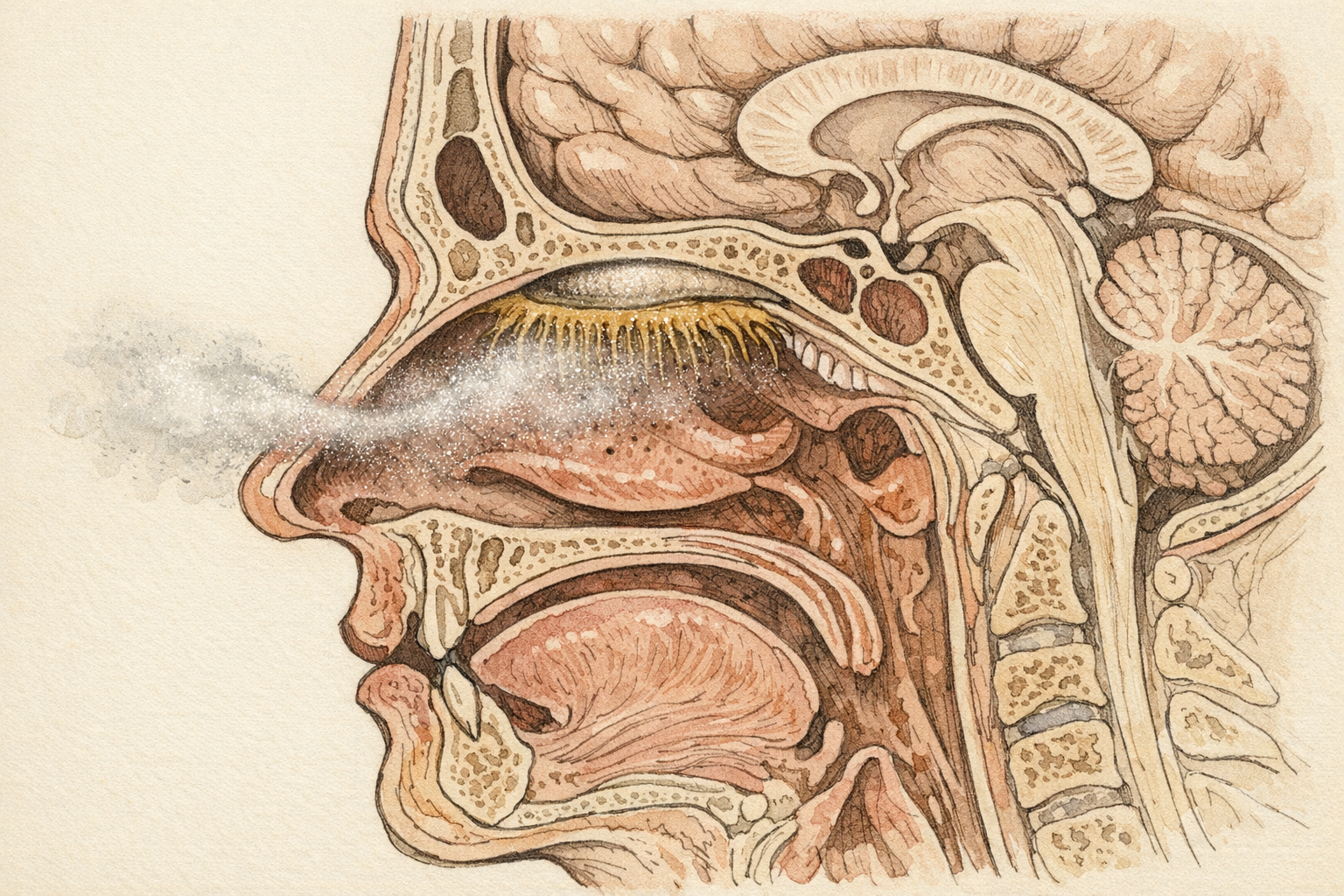
Selank: one 62-patient trial against a benzodiazepine, and 40 people counted
Selank is a seven-amino-acid peptide developed in Moscow and approved in Russia in 2009 for generalised anxiety disorder. There is one controlled trial in people that carries almost the whole case: 62 patients, 30 given Selank and 32 given

Semax: a Russian stroke drug sold as a focus spray, and what its numbers actually show
Semax is a seven-amino-acid peptide that has been a registered medicine in Russia since the early 1990s, given in hospitals after a stroke and after a head injury. It is sold in the United States as a nose spray or a vial of powder, and

TB-500: a seven-amino-acid fragment sold under the name of the protein thymosin beta-4
The definitive TB-500 / thymosin beta-4 reference: why 'TB-500' usually isn't the trialed molecule, the one positive human indication (dry eye) vs the unproven rest, real dosing/reconstitution, the cancer/angiogenesis safety debate, WADA status, and the disc-stack fit.

Thymosin Alpha-1: Approvals, Trial Record, Dosing and What It Does Not Treat
Thymosin alpha-1 is a chain of 28 amino acids that the thymus gland releases into the blood, where it tells immature T cells to finish growing up. The synthetic copy is called thymalfasin, it is sold as Zadaxin, and it is a licensed